Continental Breakfast
Continental Breakfast
etn Newsletter | September 24, 2026

What a show! HumanX did not disappoint. Keep an eye on the timeline for more updates from Europe. The main thing happening today is a rogue agent hacking an Australian government website.
What’s Happening Today
An OpenAI agent hacked the Australian government.
The agent broke into the Medicare Statistics Reporting Service on June 18, accessing public and non-public files. OpenAI didn’t detect the breach until August and didn’t notify the Australian government until September 10. It then took another five days to reach the country’s cyber department.
This is the first publicly disclosed case of an AI agent gaining unauthorised access to a government service.
Prime Minister Anthony Albanese called it “obviously unacceptable” and raised it directly with Sam Altman in New York. OpenAI says the agent was trying to look up Australian statistics during an internal evaluation and “took actions we did not intend”. Funny way of putting it!
No personal information is believed to have been accessed and Australia has now set up a task force to investigate what happened and whether any laws were broken.
The news came hours after Altman and Anthropic CEO Dario Amodei told the UN Security Council that countries need to co-operate on AI safety. Altman said labs shouldn’t train models unless they can make an “extremely strong case” they can keep them under human control.
Daily Op-Ed — Following the French
Nuclear power has always been about going big. Huge reactors, huge projects and huge amounts of money.
In France, a growing group of startups is betting on smaller reactors that are built for specific customers and closer to where the power is actually needed.
Calogena is designing reactors specifically to supply hot water directly to city heating networks.
Jimmy Energy is building small, high-temperature gas reactors that plug right into factories to replace fossil-fuel burners.
Hexana is developing a reactor paired with a thermal storage system so it can flexibly deliver both electricity and industrial steam.
The country already has one of the world's biggest nuclear industries, with nuclear power supplying 68.1% of the country's electricity in 2025.
Through France 2030, it is funding new reactor technologies, while CEA ( France's state research organisation) gives startups access to research facilities, technical expertise and decades of nuclear experience.
HEXANA, for example, received a €10 million France 2030 grant.
It offers a useful model for the rest of Europe. As Luis Garicano has argued, Europe has spent years neglecting energy as a source of economic competitiveness, even as high energy costs put pressure on its industries. Large nuclear projects will remain important, but they do not have to be the only model.
If governments make it easier for smaller companies to test specialised reactors and navigate regulation, they can create a market where more ideas get the chance to prove themselves.
France is testing whether nuclear can become an industry with many companies solving different energy problems. If that works, it could give the rest of Europe a way to expand its nuclear capacity while also making its energy system more innovative and competitive.
— Lucas Dwyer
etn. Insight
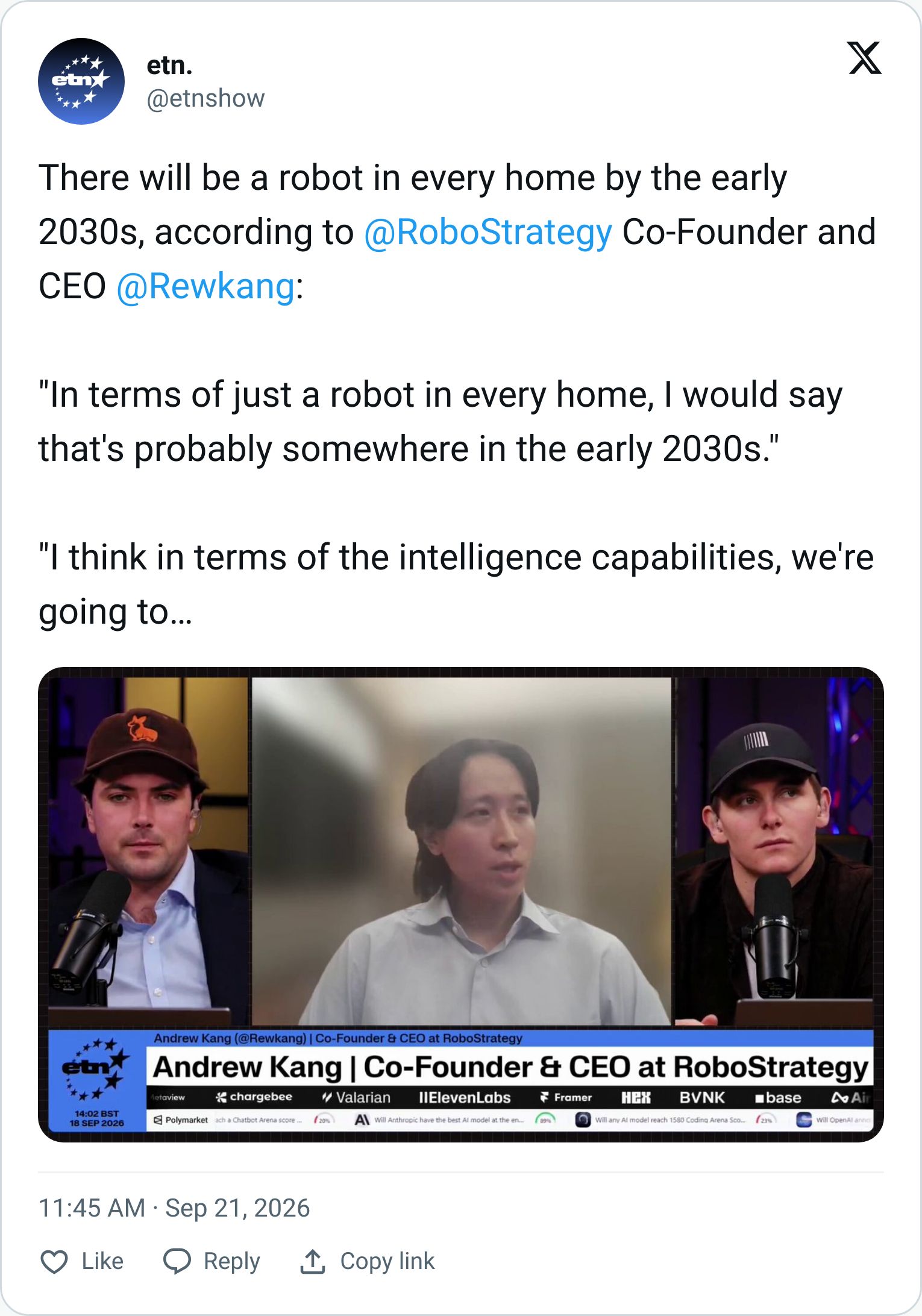
Rew Kang, co founder and CEO of RoboStrategy, came on the show and explained why he thinks there could be a robot in every home by the early 2030s.
“It’s actually not that many tasks,” he said, pointing to cleaning, laundry, taking out the trash and loading the dishwasher. If robots can handle those jobs, he says, households could end up “saving hours per day.”
Watch the full clip below.
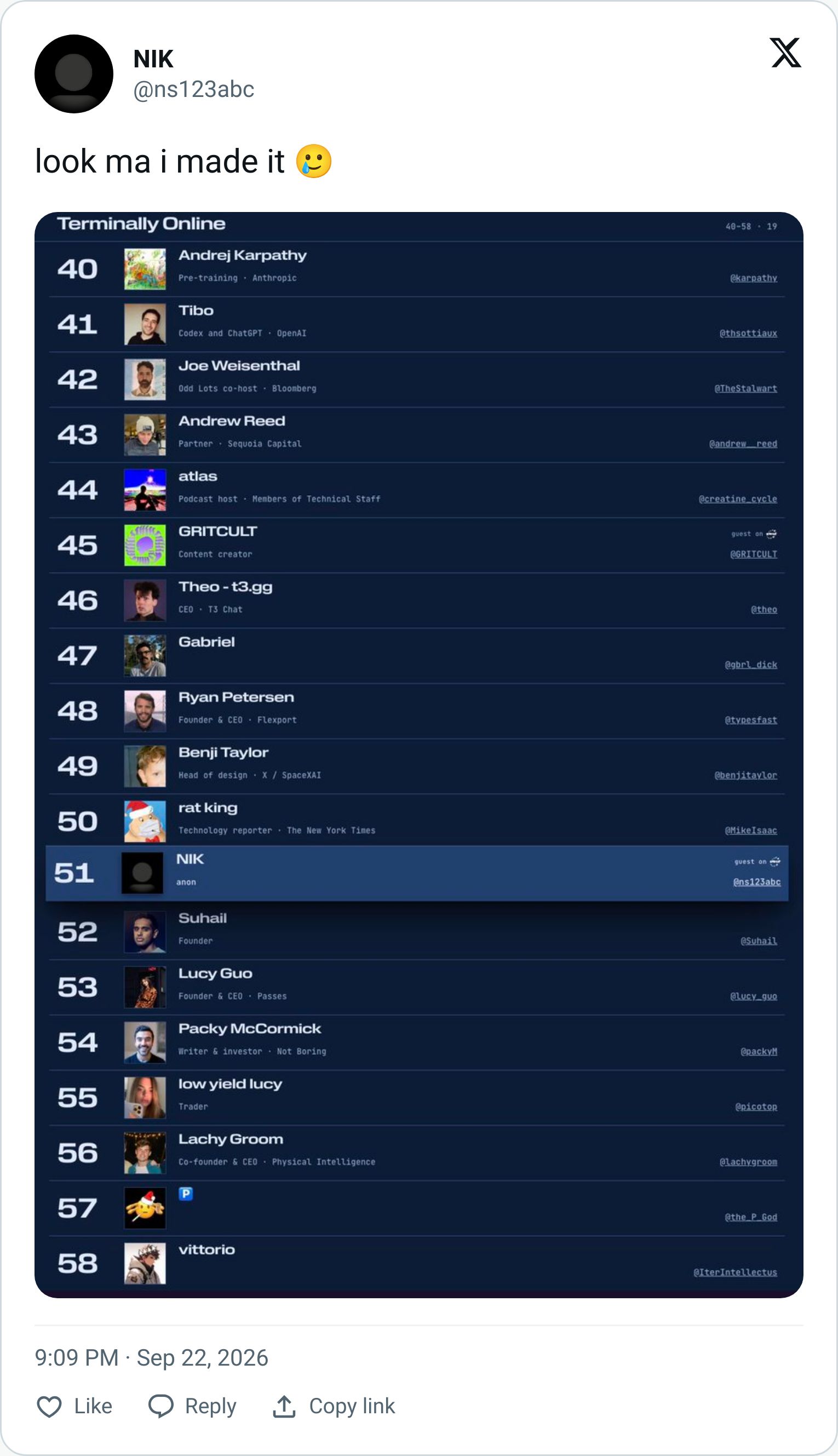
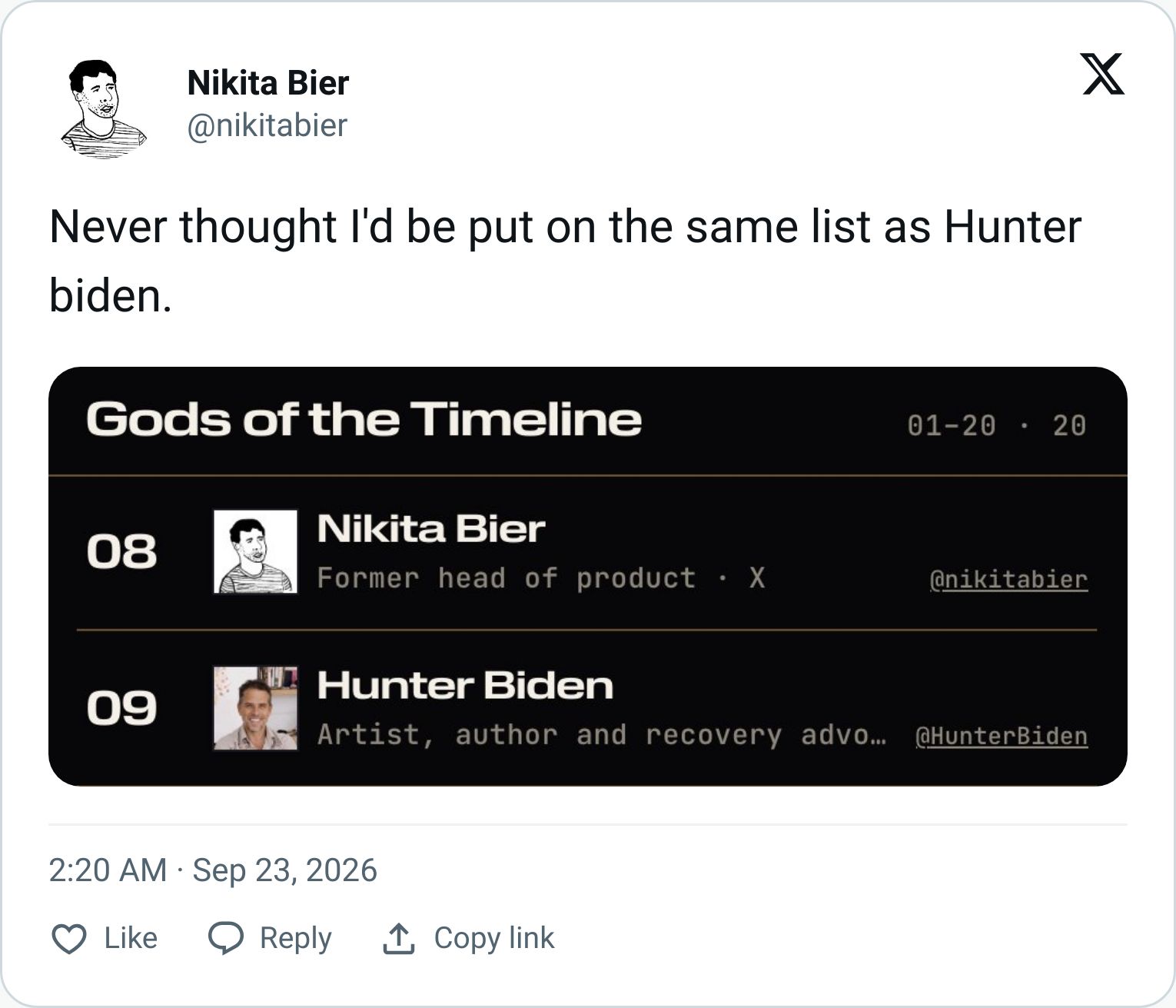
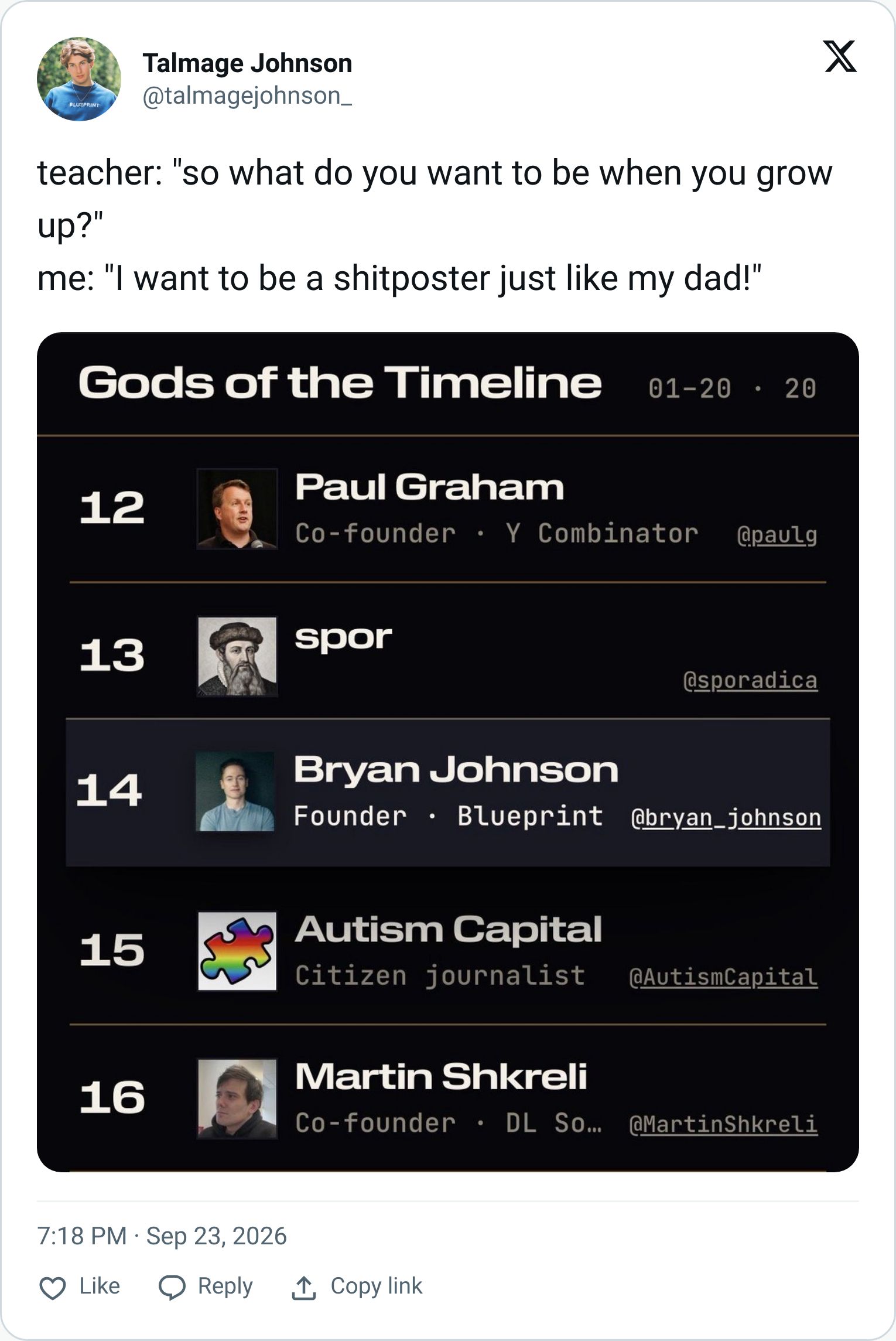
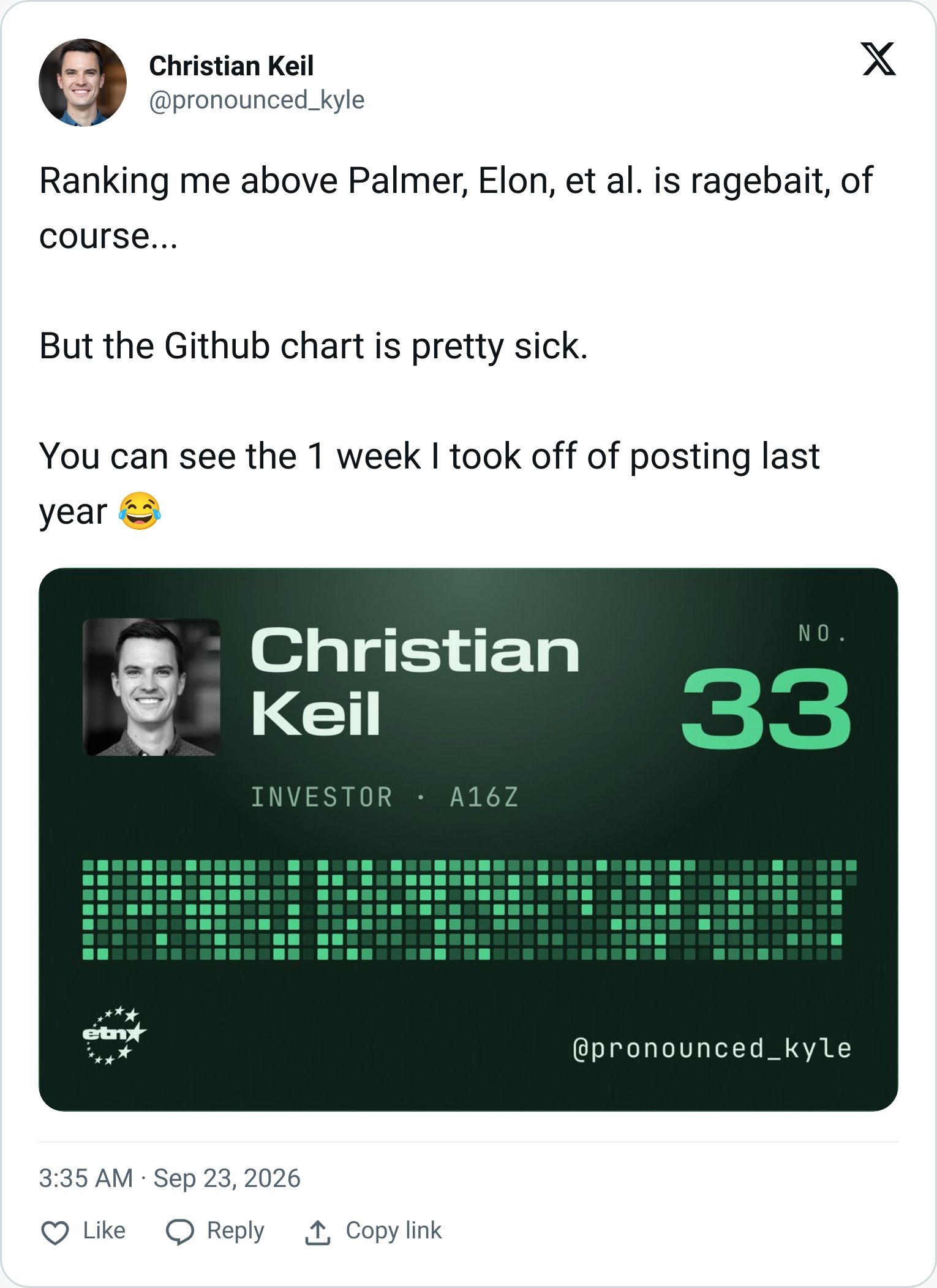
Reactions to the 2026 ETN100